
The Living Architecture of Coral Reefs
How marine ecosystems thrive on the foundations built by tiny organisms.
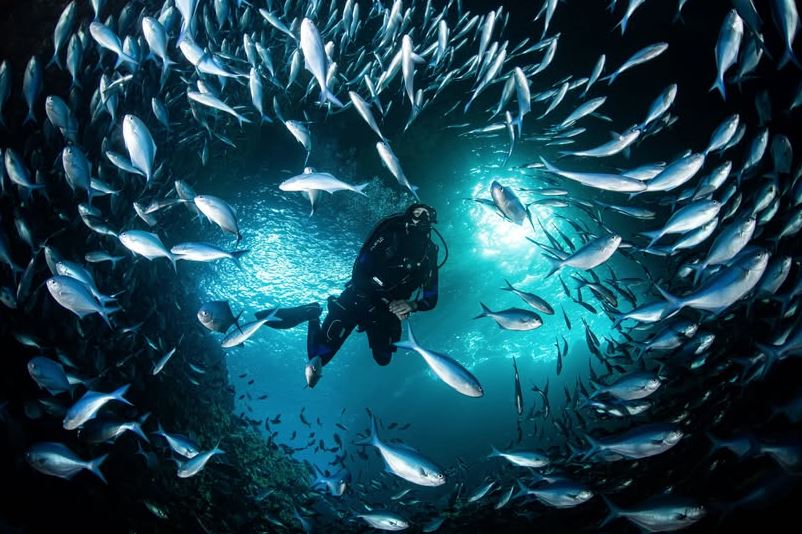
The Builders of Underwater Cities
Coral reefs are among the most complex ecosystems on the planet, yet they are constructed by some of the ocean’s smallest architects. Reef-building corals are colonies of tiny polyps that extract calcium carbonate from seawater to form hard skeletons. Over centuries, these skeletons accumulate into massive structures that rise from the seafloor, creating habitats that host extraordinary biodiversity. What makes coral reefs unique is that they are living architecture: every surface, crevice, and ridge is shaped by the interaction of biological activity and geological growth. These natural cities provide food and shelter for countless species, from plankton and crustaceans to reef sharks and sea turtles. The intricate forms of coral colonies allow for complex food webs and specialized niches, making reefs one of the most productive ecosystems in the ocean.
Symbiosis and the Energy Economy
The survival of coral reefs depends on one of the most important symbiotic relationships in the natural world. Inside the tissues of coral polyps live microscopic algae known as zooxanthellae. These algae photosynthesize, producing sugars that feed the coral, while the coral provides the algae with protection and access to sunlight. This partnership fuels the growth of coral reefs in nutrient-poor tropical waters where, without such an exchange, large structures could not form. The energy economy of reefs is so efficient that a relatively small area can sustain an immense diversity of life. From brightly colored reef fish to intricate invertebrates, the abundance of organisms reflects the delicate balance of cooperation between corals and their microscopic partners.
Biodiversity Hotspots of the Ocean
Though coral reefs cover less than one percent of the seafloor, they are home to nearly a quarter of all marine species. This concentration of biodiversity rivals tropical rainforests on land. Reef ecosystems support fish populations that sustain millions of people worldwide, protect coastlines from erosion by absorbing wave energy, and act as nurseries for species that later migrate to open waters. The interactions within this ecosystem are astonishingly complex. Cleaner fish remove parasites from larger species, sea cucumbers recycle nutrients from sediment, and sponges filter water to maintain clarity. Each organism plays a role in maintaining the balance of the reef. Losing even a single group can disrupt the entire system, making biodiversity both the strength and the vulnerability of coral ecosystems.
Threats in a Changing Climate
Despite their resilience over millions of years, coral reefs are now under unprecedented threat from human activity. Rising ocean temperatures cause coral bleaching, a stress response in which corals expel their symbiotic algae, leaving them pale and vulnerable. If temperatures remain high for too long, the corals die, and the reef structure begins to crumble. Ocean acidification, driven by increased carbon dioxide absorption, further weakens coral skeletons, making it harder for reefs to grow and recover. Overfishing removes critical species that maintain ecosystem balance, while coastal development introduces pollution and sedimentation that smother coral habitats. Each of these pressures interacts with the others, creating a web of threats that challenge the very survival of reefs worldwide.
Ecosystem Services Beyond the Sea
The importance of coral reefs extends far beyond the marine environment. They provide ecosystem services that directly benefit human societies. Healthy reefs act as natural breakwaters, reducing the impact of storm surges and protecting coastal communities from flooding. Fisheries associated with reefs supply protein to billions of people, while reef tourism supports economies in tropical nations. Beyond these immediate benefits, coral reefs also hold untapped potential in medicine. Many marine organisms produce chemical compounds as defenses, and researchers are exploring their use in developing treatments for cancer, infections, and other diseases. Protecting reefs is therefore not only an ecological priority but also a matter of human health, security, and economic stability.
Conservation and Restoration Strategies
Efforts to protect and restore coral reefs are advancing rapidly as the scale of the crisis becomes clearer. Marine protected areas help reduce pressures from fishing and human activity, giving reefs a chance to recover naturally. Innovative restoration projects involve cultivating coral fragments in underwater nurseries and transplanting them back onto damaged reefs. Some scientists are experimenting with selectively breeding corals that are more tolerant of heat and acidity, hoping to accelerate the natural process of adaptation. At the same time, global action on climate change is critical. Without reducing greenhouse gas emissions, local restoration efforts cannot succeed on their own. The combination of global and local strategies offers the best chance for reefs to endure into the future.
The Future of Marine Ecosystems
Coral reefs serve as a window into the broader challenges facing marine ecosystems. Their fate reflects the intersection of biology, climate, and human influence. If reefs thrive, they signal a healthy balance between ocean systems and human stewardship. If they decline, the ripple effects will extend through food webs, coastal protection, and global biodiversity. Yet there is hope in the resilience of life. Reefs have survived mass extinctions in the past, and with sufficient protection and adaptation, they may persist into the future. For marine biologists and ocean advocates, coral reefs are not just ecosystems to study but symbols of the intricate and fragile web of life that sustains our planet.